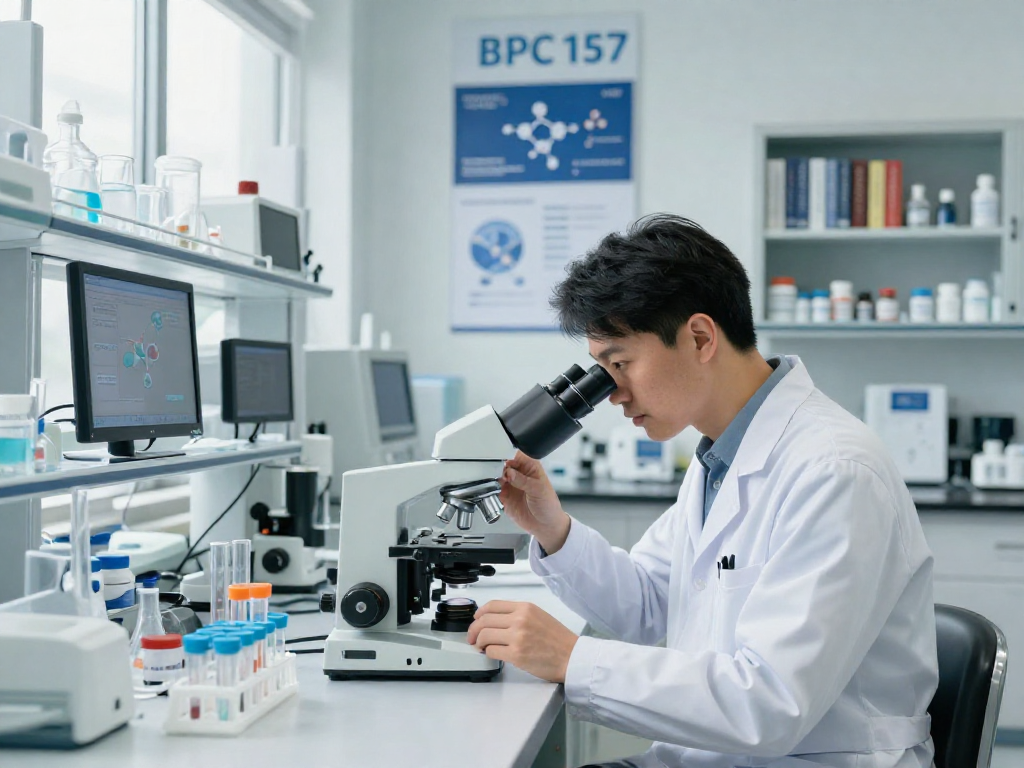
Understanding BPC 157 and Its Mechanism of Action
BPC 157, or Body Protective Compound 157, is a peptide derived from a protein found in human gastric juice. This unique compound has garnered significant attention for its potential therapeutic benefits in various fields, particularly in health and recovery. Its mechanism of action involves a series of biological processes that promote healing and regeneration, making it a standout component in modern medicine. As researchers and clinicians continue to explore its capabilities, the implications for athletes, patients, and health enthusiasts are becoming clearer. When exploring options, BPC 157 Benefits provide comprehensive insights into this peptide's remarkable properties.
What is BPC 157?
BPC 157 is a synthetic peptide consisting of 15 amino acids. Initially discovered for its protective role in the gastrointestinal tract, studies have expanded our understanding of its utility in enhancing recovery processes throughout the body. It is particularly known for its ability to accelerate wound healing, protect organs, and improve joint health. BPC 157's unique structure enables it to interact effectively with various biological pathways, supporting cellular repair and regeneration.
How BPC 157 Works in the Body
The peptide's effectiveness stems from its multifaceted mechanisms. BPC 157 enhances nitric oxide production, which promotes blood flow and nutrient delivery to damaged tissues. Additionally, it influences the growth factor signaling pathways, particularly those involved in tissue repair. This dual-action—improving vascularization and stimulating cell proliferation—is why BPC 157 is being evaluated for both acute and chronic injuries.
Comparison with Other Peptides and Compounds
Compared to other peptides, such as IGF-1 (Insulin-like Growth Factor 1) or collagen peptides, BPC 157 exhibits a broader protective profile. While IGF-1 focuses primarily on muscle growth and recovery, and collagen peptides target joint health, BPC 157 encompasses both aspects while also aiding in gut health and organ protection. This makes it a versatile addition to recovery protocols for athletes and those recovering from surgery or injury.
Key BPC 157 Benefits for Health and Recovery
Understanding the specific benefits of BPC 157 can provide valuable insights into its applications in health and wellness. Its wide-ranging effects on the body can appeal to various demographics, from athletes seeking enhanced recovery to individuals looking to improve their overall health.
Enhancing Muscle Recovery and Growth
One of BPC 157's most compelling benefits is its ability to enhance muscle recovery and growth. Studies suggest that it may reduce muscle damage after strenuous exercise, allowing athletes to recover more quickly and return to training sooner. By promoting collagen synthesis and muscle repair, BPC 157 can also aid in hypertrophy, making it a popular choice among bodybuilders and fitness enthusiasts.
Reducing Inflammation and Promoting Healing
BPC 157 is known for its anti-inflammatory properties, which are crucial in the recovery process. By modulating inflammatory pathways, it helps to minimize pain and swelling associated with injuries. Whether it's muscle strain or joint damage, BPC 157 can facilitate a faster healing response and more comfortable recovery experience.
Supporting Gut Health and Digestive Function
The peptide's origin in gastric juice underscores its role in promoting gut health. BPC 157 has shown promise in healing gastric ulcers and improving overall digestive function. It supports the integrity of gut lining and enhances nutrient absorption, making it an important compound for those dealing with gastrointestinal issues.
Practical Applications of BPC 157 in Modern Medicine
The applications of BPC 157 transcend sports medicine, finding relevance in various medical fields. Its unique properties allow it to bridge the gap between traditional treatments and advanced therapeutic practices.
Usage in Sports Medicine and Athletic Training
In sports medicine, BPC 157 is being utilized to accelerate recovery from injuries and surgeries. Its ability to promote healing makes it beneficial for athletes recovering from torn ligaments, fractures, or muscle strains. Trainers and physiotherapists are increasingly integrating BPC 157 into recovery protocols, thus enhancing athletes' performance longevity.
Benefits in Pain Management and Rehabilitation
For patients dealing with chronic pain issues, BPC 157 offers a potential alternative or complement to conventional pain management therapies. Its healing properties can support rehabilitation efforts by reducing inflammation, improving mobility, and facilitating tissue repair. Healthcare providers are exploring its use in conjunction with physical therapy to optimize recovery outcomes.
Potential Applications in Gastrointestinal Disorders
Beyond its musculoskeletal benefits, BPC 157 holds promise for treating gastrointestinal disorders. Its protective effects on the gut lining can aid individuals suffering from inflammatory bowel diseases (IBD) or leaky gut syndrome. By accelerating healing processes and reducing inflammation, it may offer a new avenue for therapeutic strategies in gastroenterology.
Real-World Cases of BPC 157 Success Stories
Examining actual success stories can shed light on the practical benefits of BPC 157. Testimonials from athletes and clinical studies highlight the peptide's effectiveness, providing persuasive evidence for its inclusion in recovery and rehabilitation protocols.
Athlete Testimonials on Recovery Times
Anecdotal evidence from professional athletes using BPC 157 showcases impressive recovery times from injuries. Many report reduced downtime after surgeries or injuries, allowing them to train and perform at optimal levels. These testimonials contribute to the growing body of evidence supporting the peptide's efficacy in sports medicine.
Clinical Studies Showcasing Efficacy
Clinical trials focusing on BPC 157 have demonstrated its ability to enhance wound healing and reduce recovery times in various patient populations. Research has shown significant improvements in healing rates and reductions in inflammation markers, underscoring its therapeutic potential. These studies provide a scientific foundation for the peptide's applications in modern medicine.
Personal Stories of Wellness and Health Improvements
Beyond athletic applications, personal stories from individuals with chronic conditions have emerged, highlighting transformative health improvements with BPC 157. Patients have reported enhanced quality of life due to reduced pain and improved functionality, showcasing its potential in holistic health practices.
The Future of BPC 157 Research and Trends for 2026
As we move forward, the landscape of BPC 157 research is evolving. With promising findings emerging regularly, its future in clinical and recreational use looks bright.
Emerging Studies and New Findings
Ongoing research is likely to unveil new applications and insights into the molecular mechanisms behind BPC 157. Future studies may explore its potential roles in other conditions, such as neurodegenerative disorders or cardiovascular issues, thereby broadening its therapeutic scope.
Potential Regulatory Changes and Market Impact
As awareness of BPC 157 grows, regulatory scrutiny may increase. Understanding how regulatory changes can affect availability and usage will be critical for both consumers and professionals in the health and wellness industry. The evolving legal landscape could influence the peptide's market presence and accessibility.
Integrating BPC 157 into Holistic Health Practices
With the increasing trend towards integrative health practices, BPC 157 may find its place alongside nutrition, exercise, and other modalities focused on enhancing recovery and wellness. Its versatility makes it an appealing option for practitioners aiming to adopt a comprehensive approach to health.
What are the common side effects of BPC 157?
While BPC 157 is generally considered safe, some users may experience mild side effects such as nausea, dizziness, or allergic reactions. Understanding these potential effects is essential for managing expectations and ensuring safe usage.
How is BPC 157 administered effectively?
BPC 157 can be administered through various methods, including subcutaneous injections or oral forms. The choice of administration depends on individual preferences and specific health goals, with injections often cited for faster effects.
Is BPC 157 safe for long-term use?
Current studies suggest that BPC 157 is safe for short-term use, but long-term safety data is still limited. Continued research will be necessary to determine any long-term implications or potential side effects associated with extended usage.
Are there alternatives to BPC 157?
While BPC 157 is unique in its capabilities, alternatives such as IGF-1, collagen peptides, or other growth factors may provide similar benefits in specific contexts. However, the specific advantages of BPC 157 set it apart in terms of versatility and overall health benefits.
How can I learn more about BPC 157 benefits?
For those interested in delving deeper into BPC 157 and its applications, consulting healthcare providers or exploring reputable health resources can provide additional information and guidance. For more information, BPC 157 Benefits offers valuable insights. Engaging with professionals who are knowledgeable about peptide therapies can enhance understanding and support informed decision-making.